
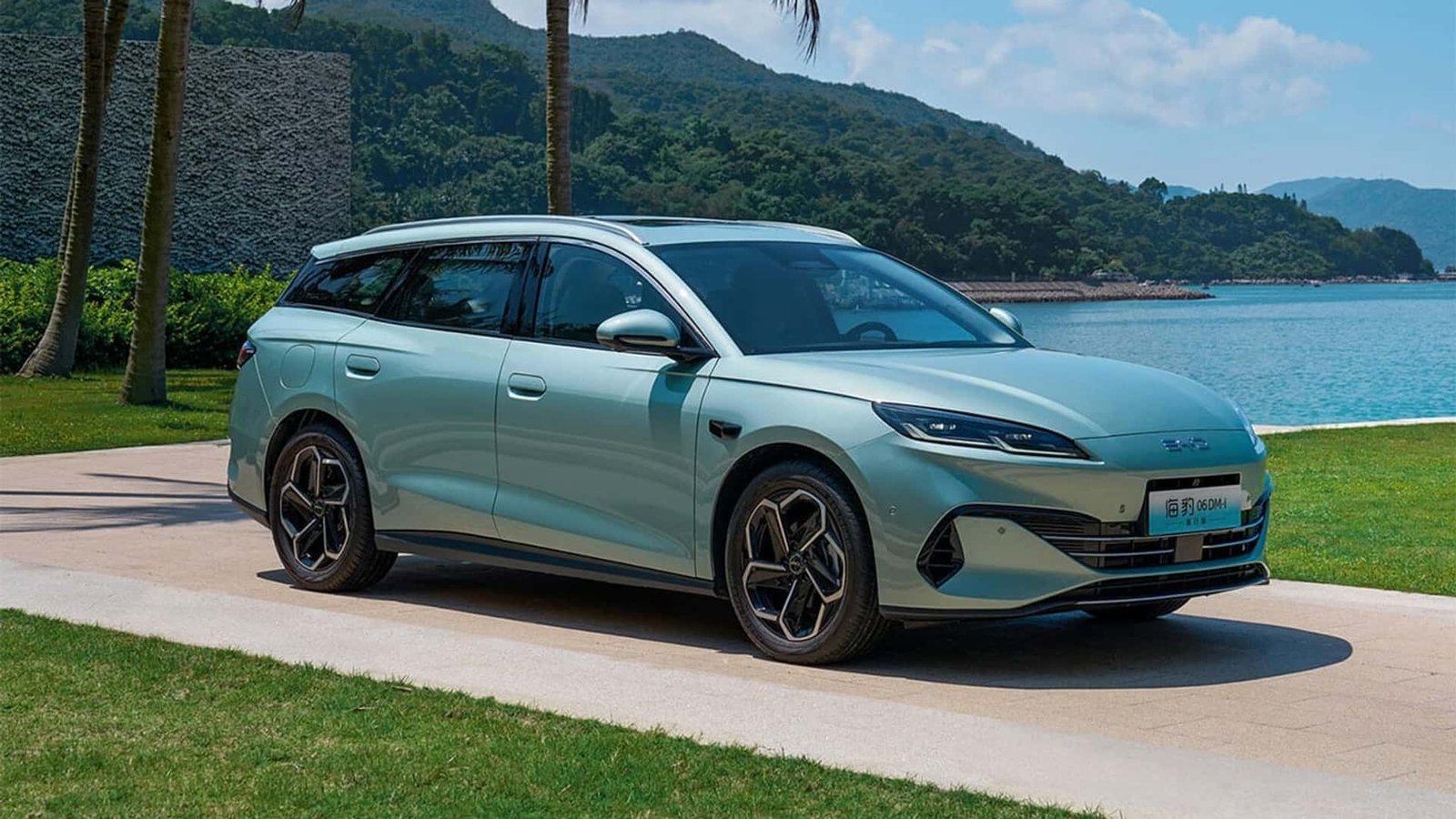
New PHEV Standards in China Could Reshape the Global Automotive Landscape
China has taken a significant step forward in its push for cleaner transportation by implementing new performance standards for plug-in hybrid electric vehicles (PHEVs). These regulations, set to take effect on January 1, 2026, require all PHEVs to have a minimum of 100 kilometers (62 miles) of pure electric range. This is a notable increase from the previous standard of 43 kilometers (27 miles), signaling a stronger commitment to electrification.
The updated rules also include stricter fuel consumption guidelines when PHEVs are operating in charge-sustaining mode—where the internal combustion engine powers the vehicle. The goal of these changes is to encourage automakers to develop more efficient and environmentally friendly models that align with China\’s broader vision for sustainable mobility.
Implications for the Market
While China already leads the world in electric vehicle (EV) adoption, there remains a segment of consumers who are hesitant about fully electric vehicles due to concerns such as range anxiety and charging infrastructure. In response, many Chinese automakers have been adapting their EV-only platforms to accommodate both electric and combustion-engine powertrains.
For example, Geely has introduced versions of once purely electric models like the Lynk & Co Z10, while Xpeng plans to add gas motors to its G6, G7, and P7+ models to enhance their appeal. This strategy reflects an effort to meet consumer demand while still promoting electrification.
However, this approach raises concerns about potential backsliding. The ultimate aim of transitioning to electrified vehicles is to reduce reliance on fossil fuels and decrease pollution. If PHEVs or extended-range EVs (EREVs) are not capable of driving significantly on electric power, they may not contribute meaningfully to this goal.
Impact on Automakers
The new standards will likely affect both domestic and international automakers operating in China. For Chinese brands, the transition may not be as challenging, as many existing PHEV models already meet the 100-km requirement. Companies like BYD and Geely are well-positioned to comply with the new regulations without major overhauls.
On the other hand, Western automakers face a steeper challenge. Models developed outside of China may need significant modifications to meet the new requirements, especially with a tight deadline for regulatory compliance. This could lead to some Western PHEVs being phased out of the Chinese market, further accelerating the departure of foreign brands from the region.
A Potential Shift in Global Markets
Despite the challenges, the new regulations could have a ripple effect beyond China. If automakers invest in improving the efficiency of their PHEV models, these advancements may eventually be adopted in other markets. For instance, Volvo’s upcoming PHEV (or EREV) is expected to follow a similar path to Geely’s efforts, potentially making its way to the U.S. market by the end of the decade.
Broader Trends in Electrification
The shift toward stricter PHEV standards is part of a larger global trend toward electrification. As countries around the world set ambitious targets for reducing carbon emissions, the automotive industry must adapt to meet these demands. China’s move highlights the importance of setting high standards to ensure that electrified vehicles deliver real environmental benefits.
With the right policies and technological advancements, the future of transportation can be cleaner, more efficient, and more sustainable. The road ahead may be complex, but the direction is clear: towards a world powered by electricity.

BYD Qin L DM-i plug-in hybrid

Leave a Reply
You must be logged in to post a comment.