
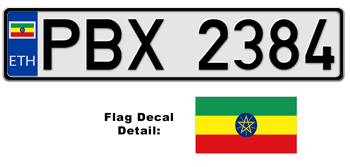
Introduction to the New Vehicle Identification System
The Ethiopian Ministry of Transport and Logistics has announced a significant overhaul of the vehicle identification system, aiming to replace and modernize car plate numbers. This initiative is part of a broader effort to enhance security, streamline operations, and align with international standards.
The New Directive: A Technological Revolution
Transport and Logistics Minister Alemu Sime recently briefed the press on the draft Directive No. 1050/2025, which outlines the types of vehicles, identification number plates, and symbols for service delivery. This directive is set to be implemented during the current Ethiopian Fiscal Year. The new system will replace an outdated model that has been in use for over two decades.
According to Alemu, the need for this change arises from the necessity to conform with international agreements and ensure uniformity in vehicle identification. The goal is to create a nationally unified standard that enhances a sense of shared national identity and control within the transport sector.
Design and Security Enhancements
The new design will simplify the visual aspects of the license plates, featuring only three different colors. More importantly, it will incorporate advanced security features such as holograms, watermarks, and micro-text to prevent fraud. These elements are crucial in ensuring the authenticity and integrity of the license plates.
Additionally, the new plates will include RFID chips and QR codes, allowing for easy and secure digital record-keeping and tracking by authorized bodies. This makes the plates digitally readable by enforcement systems, streamlining the process of monitoring and managing vehicle registrations.
International Alignment
Another key aspect of the new directive is the inclusion of the internationally recognized code \”ETH.\” This move aligns Ethiopia with the Vienna Convention on Road Traffic, enhancing the country\’s integration into global transportation networks.
Addressing Complexity and Confusion
Ethiopia currently has over 1.6 million registered vehicles under the existing, outdated system. The current identification system involves approximately 16 different types of plates with varying colors and numbers across regional states, leading to complexity and confusion.
Transport and Logistics State Minister Gebru Hassen highlighted that the existing plate number system has been in operation for over 23 years. He noted that this system has resulted in significant wastage of wealth. The primary goal of the new directive is to save public funds by utilizing high-quality materials efficiently and implementing a proper system to track and discard returned plates, which the current legal framework lacks.
Conclusion
The introduction of the new vehicle identification system marks a significant step forward for Ethiopia. By adopting technologically advanced features and aligning with international standards, the government aims to improve efficiency, reduce fraud, and enhance the overall management of vehicle registrations. This initiative not only addresses current challenges but also sets the stage for a more secure and streamlined transportation sector in the future.

Leave a Reply
You must be logged in to post a comment.